Why small pets hide illness, and how to catch it early
PetPal Redakce · October 6, 2026
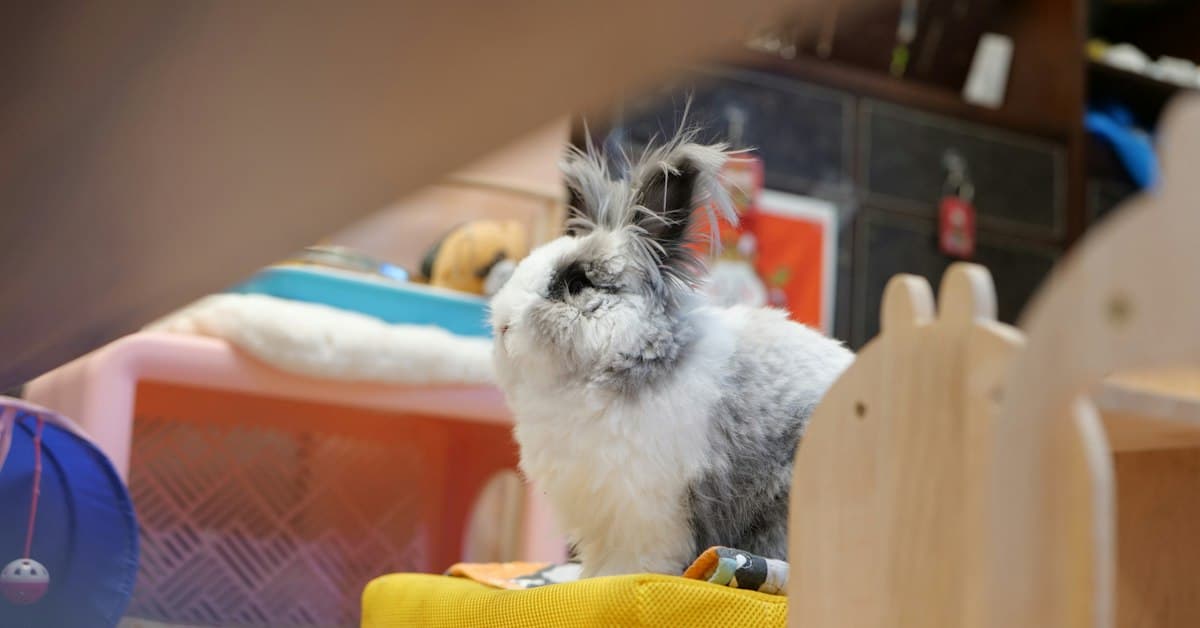
A dog whimpers, a cat hides and lets you know something is wrong. A rabbit, a guinea pig, or a budgie does the exact opposite: they act as if everything is fine for as long as they can. It is a prey instinct. In the wild a weak individual would attract a predator, so they mask illness until they no longer can.
For a keeper that means one uncomfortable thing: by the time you notice the signs, the illness is often advanced. The good news is that the subtle signals can be learned, and they are what make the difference. Below is what to watch for and when not to wait.
Why they do it
Rabbits, guinea pigs, rats, and birds are all prey in the food chain. Hiding weakness is a defence strategy written deep into their behaviour. A pet no longer has to fight for its life, but the instinct remains. So a sick rabbit keeps trying to act normal for a long time and visibly "crashes" only when the condition is already serious. The window you have is therefore shorter than with a dog or a cat.
The subtle signs worth knowing
Do not wait for dramatic symptoms. With small animals it is the details that speak: how much they eat, what the droppings look like, whether they are as active as usual.
Warning signs in rabbits, rodents, and birds
In rabbits and rodents:
- eats less, or stops eating entirely
- fewer droppings, smaller ones, or none
- hunched, fluffed up, listless, hiding more than usual
- wet chin, drooling, trouble from overgrown teeth
- rapid or laboured breathing
In birds:
- sits fluffed up on the cage floor, head tucked into the feathers
- tail bobbing in time with the breath, open-beak breathing
- less song and activity, not feeding
- discharge from the nostrils or half-closed eyes
A rabbit that stops eating and passing droppings for more than roughly 12 hours needs a vet straight away. A rabbit can get worse within hours at that point, so do not wait until morning.
What to monitor routinely
The best defence against hidden illness is knowing your animal's "normal". Once you know what is usual for it, you catch a deviation sooner.
- Weigh regularly. A kitchen scale reveals weight loss before your eyes can. Once a week, always at the same time, and watch the trend.
- Track intake and output. How much it eats, how much it drinks, and what the droppings look like are the most sensitive indicators.
- Notice behaviour. Activity, grooming of coat or feathers, interest in its surroundings. A change in mood often comes before a visible symptom.
When to take a small pet to the vet
The key difference from dogs and cats: with small animals it does not pay to "wait until morning". Loss of appetite, listlessness, or laboured breathing belong at the vet the same day. Keep in mind that not every practice treats exotics. Find a vet who focuses on small and exotic animals in advance, and save the number before you need it. The veterinary chambers can help you choose, the Czech one (vetkom.cz) and the Slovak one (kvlsr.sk).
PetPal provides general information, not a veterinary diagnosis. Small animals deteriorate quickly, so when in doubt, call the vet sooner rather than later.
In short
Small pets will not tell you something is wrong, the details tell you for them. Learn their normal, weigh them regularly, watch food, droppings, and behaviour, and do not wait when something is off. With a rabbit that has stopped eating, it is genuinely a matter of hours.
PetPal helps you stay on top of it: log the weight in the app and watch the trend on the graph, so you spot a drop before the animal shows it on its own.