The ageing dog and cat: what changes after seven and how to make it easier
PetPal Redakce · September 8, 2026
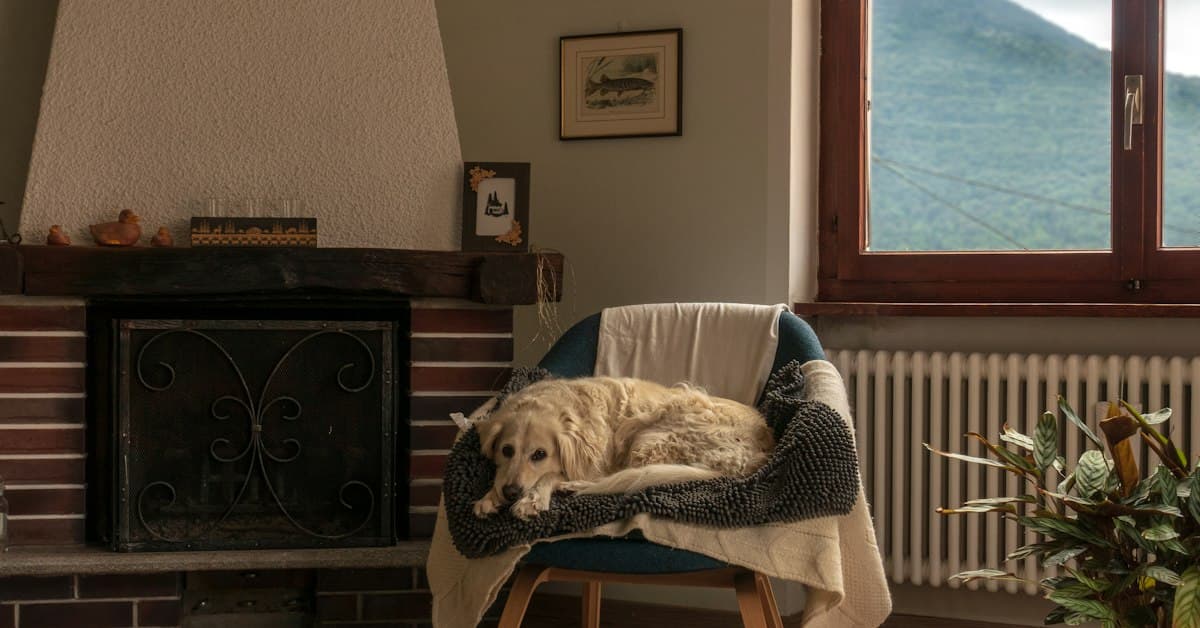
He used to jump into the boot of the car before you had the door fully open. Now he stands next to it for a moment, looks at you and waits. It is not laziness or a whim. This is usually what the first small signs of ageing look like: quiet and gradual.
Old age is not an illness. It is a stage of life that asks for slightly different care, and with that care a pet can live long and contentedly. In this guide you will find when a dog or cat counts as a senior, what changes in body and behaviour, how to adapt your home and routine, and what to write down so you can tell your vet more than "something just seems off".
When is a pet a senior
There is no single number for everyone. Dogs age according to size: large and giant breeds reach their senior years earlier, often around six or seven, while small breeds get there later, often around ten. According to veterinary guidance, cats count as seniors from roughly eleven years, and after fifteen the term used is geriatric.
The age of seven in the headline is only a rough guide. Your vet can give a more accurate estimate for your pet based on breed, size and overall condition.
What changes with age
Most changes creep in slowly, which is why they are easy to miss. They usually fall into these areas:
- Movement. Getting up more slowly, stiffness after sleep, hesitating before stairs or before jumping onto the sofa.
- Senses. Poorer hearing or eyesight. The dog does not respond when called, the cat startles when you approach from behind.
- Weight and appetite. Seniors often need less energy, so they put on weight easily. Others, by contrast, quietly lose weight.
- Sleep and orientation. More sleep during the day, restlessness at night, occasional confusion in a familiar place.
- Teeth. Bad breath, careful chewing, kibble falling out of the mouth.
Do not try to interpret any of these changes yourself. Some simply come with age, others are worth a check-up. Your vet can tell the difference. Your job is to notice and tell them.
PetPal provides general information, not a veterinary diagnosis. If you notice a change in your pet, mention it to your vet.
A check-up twice a year instead of once
For a young animal one preventive check-up a year is usually enough, often combined with vaccination. Veterinary associations (for example the American AAHA in its senior care guidelines) recommend bringing older dogs and cats in roughly every six months. A year in the life of a dog or cat is a much longer stretch than for a person, and a lot can change in half a year.
At the check-up your vet may also suggest blood tests or other examinations. The idea is simple: catch changes early, while there is still a lot that can be done.
What to write down between visits
In a twenty-minute appointment your vet relies largely on what you tell them. Memory is unreliable at that moment; notes are not. These are worth keeping track of:
What to watch and mention to your vet
- weight: weigh once a month, at the same time of day
- drinking and urinating: drinks more or less than before, needs to go out more often, does not make it outside in time
- appetite: leaves food in the bowl, eats more slowly, is picky
- movement: shorter walks, trouble with stairs, limping
- behaviour: restlessness at night, confusion, more meowing or barking, withdrawing
- body: new lumps (note where they are and how big), coat changes, bad breath
- medicines and supplements: exactly what your pet takes and since when
Put a date on every note. "Drinking more since about the summer" tells your vet far more than "drinks a lot".
How to adapt your home and routine
A senior does not need to be wrapped in cotton wool; adapting the home is enough. A few small things make a big difference:
- Shorter but more frequent walks. Movement keeps joints and muscles in shape, just split it into more, shorter outings.
- Non-slip rugs on smooth floors and a ramp or step up to the places your pet likes to climb.
- A soft, warm place to sleep away from draughts. For large dogs an orthopaedic mattress is worth it.
- Bowls and toilet within reach. Give a cat a litter tray with a low edge, and in a house with several floors, one on each floor.
- Feeding to current needs. Talk to your vet before changing the diet, and do not choose a "senior" food just by its packaging.
- The mind ages too. Sniffing, new smells on walks and searching for treats keep the brain active.
- A regular routine. Fixed times for meals and walks give a sense of security, especially to an animal that sees or hears less well.
What to ask your vet
Before the check-up, go through your notes and prepare two or three questions. For example: Which examinations do you recommend at this age? How can I tell if something hurts? Should we adjust feeding or exercise? When should we come back sooner than in six months?
Ask about things that seem minor too. With a senior, the overall picture is built from exactly those small details.
Summary
Old age arrives gradually, and the best thing you can do for your pet is to notice. A check-up roughly twice a year, regular weighing, a few dated notes and a home where they do not have to jump or slip. The rest is time together, which you may value more now than ever.
You can also find general information on animal care from the Chamber of Veterinary Surgeons of the Czech Republic (KVL ČR, vetkom.cz) and the Slovak Chamber of Veterinary Surgeons (KVL SR, kvlsr.sk).
You can keep weight and visit records in PetPal, so you arrive at the vet with the whole history on your phone. Set a reminder for a check-up in six months and you will not have to keep track of the date yourself.